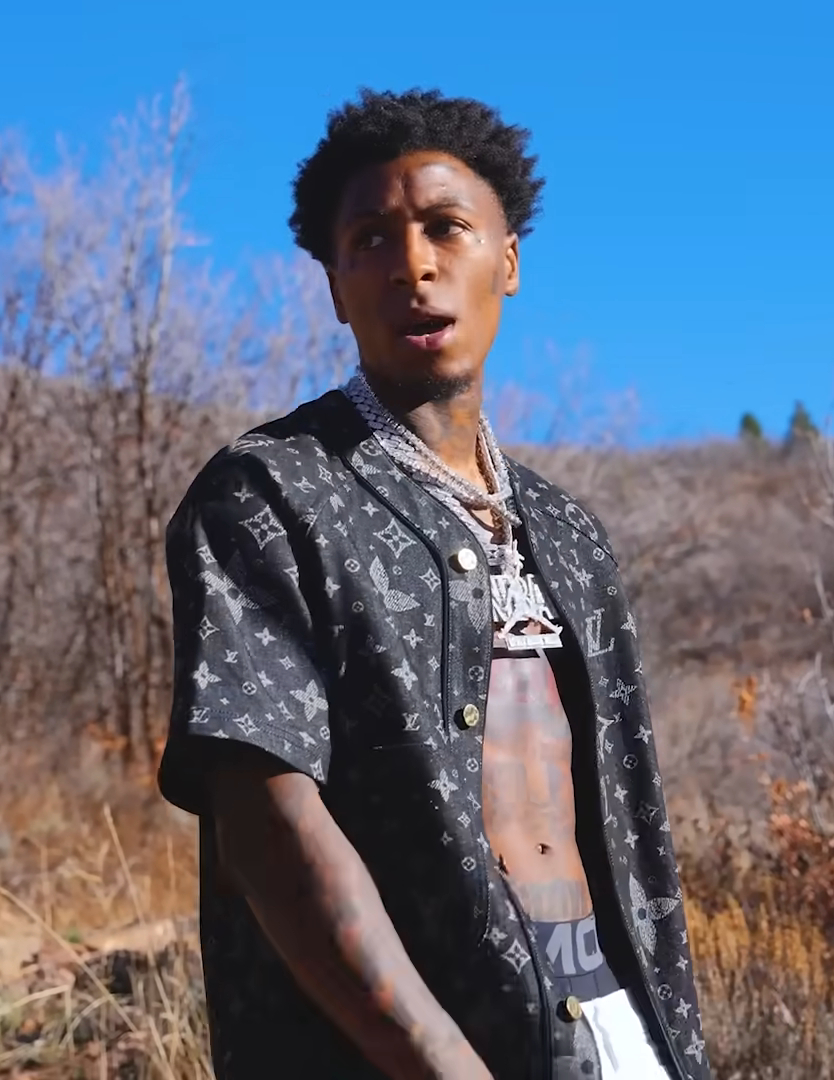
The world of hip-hop is no stranger to intense rivalries, raw emotions, and the complex personalities of its stars. Among the most talked-about figures whose careers frequently intertwine with public scrutiny is NBA Youngboy, also known as YoungBoy Never Broke Again. His ongoing, often volatile, relationship with fellow rapper Kodak Black has frequently brought to light a facet of his public persona that many describe as his "darker side." This article delves into the nuances of their feud, exploring how it, alongside his music and life experiences, contributes to the perception that youngboy goes dark.
Unpacking the Genesis of the Feud: Youngboy and Kodak Black
The rivalry between NBA Youngboy and Kodak Black is a saga marked by periods of apparent peace interspersed with explosive public spats. While specific triggers often vary, these feuds typically ignite over social media disses, perceived slights, or conflicts involving shared associates. From indirect jabs in song lyrics to direct call-outs on live streams, their interactions have consistently kept fans and media guessing about the true nature of their relationship. Each escalation in their public beef often amplifies the narrative of an artist unafraid to confront, challenge, and express raw aggression.
These confrontations are more than mere celebrity drama; they offer a window into the intense pressures and competitive nature of the rap industry. For Youngboy, these public feuds, particularly with an equally prominent figure like Kodak Black, often serve to underscore a certain fearlessness and an unapologetic embrace of conflict. This readiness to engage, whether in defense of his crew, his reputation, or simply his artistic stance, can be a significant factor in how the public perceives him when his youngboy goes dark persona takes center stage. Understanding the history of these interactions is crucial to dissecting the layers of his complex public image.
The Artistry of Shadows: When Youngboy Goes Dark in Music
Beyond the headlines of feuds, the most profound exploration of Youngboy's "darker side" often comes through his music. His discography is replete with tracks that delve into themes of struggle, street violence, betrayal, mental anguish, and the harsh realities he has navigated. Youngboy's raw, unfiltered delivery and his intensely personal lyrics paint vivid pictures of a life lived on the edge, confronting difficult truths head-on.
When youngboy goes dark in his lyrics, he doesn't just describe pain; he often embodies it. Songs frequently touch on:
- Trauma and Loss: Reflections on deceased friends, betrayal, and the constant threat of danger.
- Mental Health Struggles: Openly addressing anxiety, paranoia, and the psychological toll of his lifestyle.
- Aggression and Retaliation: Portrayals of street justice and responses to disrespect.
- Isolation and Mistrust: The feeling of being alone amidst fame and fortune, wary of those around him.
This thematic consistency creates a sonic landscape that resonates deeply with many listeners who identify with his struggles. His ability to articulate these often grim realities with brutal honesty is a cornerstone of his appeal and a significant contributor to his intense, sometimes brooding, artistic persona. It's an exploration of emotions and experiences that many artists shy away from, solidifying his reputation as an artist who isn't afraid to explore the bleaker aspects of life. To truly appreciate the depth of his artistic expression when he delves into these themes, one might explore similar moods in other genres, perhaps with a dive into Darker Than Dark: Explore the Music That Defines the Mood.
Beyond the Beef: Understanding the Public Perception of Youngboy's "Darker Side"
While feuds and lyrical content contribute significantly, the public perception of NBA Youngboy's "darker side" is also heavily influenced by his numerous legal troubles, arrests, and the constant media spotlight. From a young age, Youngboy has faced significant challenges with the law, creating a public narrative that often conflates his artistic expression with his personal life. The media often sensationalizes these events, further shaping how the audience perceives his character.
This public image is a complex tapestry woven from various threads:
- Legal Entanglements: Frequent arrests and ongoing legal battles have painted a picture of an artist constantly battling external forces, contributing to a narrative of a tumultuous existence.
- Social Media Presence: Youngboy's direct and often confrontational posts on social media can amplify his controversies and solidify an image of unapologetic defiance.
- Fan Interpretations: His dedicated fanbase often views his "darker side" as authenticity, a testament to his realness in an often manufactured industry. Critics, however, might see it as problematic or glorifying negative aspects of street life.
The interplay of these factors creates a powerful, often polarizing, public image. It's a reminder that celebrity personas are rarely one-dimensional, especially for artists whose art is so deeply intertwined with their life experiences. For Youngboy, the "darker side" isn't just a performance; it's a reflection of his journey, filtered through the lens of fame and public scrutiny.
Navigating the Complexities: Youth, Fame, and Controversy
NBA Youngboy's story is also a poignant illustration of the profound impact that early fame and a challenging upbringing can have on an individual. Propelled into the spotlight at a very young age, he navigated immense pressure, scrutiny, and wealth, often without the typical support systems that might buffer such experiences. This accelerated trajectory can exacerbate existing struggles, making the journey from adolescence to adulthood incredibly public and fraught with peril.
The cycle of controversy that has often followed Youngboy can be understood in part through this lens:
- Rapid Ascent: Achieving massive success before full maturity, leading to a lack of privacy and intense public interest in every aspect of his life.
- Background Influence: The traumas and realities of his early life in Baton Rouge deeply inform his worldview and artistic expression, which can be perceived as "dark" by those unfamiliar with similar experiences.
- Amplified Mistakes: Every misstep or legal issue is magnified by his celebrity status, fueling negative narratives and making personal growth incredibly difficult in the public eye.
- Artistic Catharsis: Music becomes a primary outlet for processing these experiences, sometimes raw and unpolished, reflecting the intensity of his life.
Understanding these complexities helps to contextualize why a "youngboy goes dark" narrative has become so prevalent. It's not just about individual choices but also about the systemic pressures of fame, the weight of past traumas, and the constant demand for authenticity from an audience. This dynamic relationship between an artist's personal journey and their public persona is a crucial aspect of understanding modern celebrity culture. For a broader perspective on the developmental challenges many face, one might read more on Understanding When a Youngboy's World Starts to Go Dark.
The Impact on Fans and the Industry
The complex persona of NBA Youngboy, particularly when he delves into his "darker side," has a profound impact on both his fiercely loyal fanbase and the broader music industry. For his fans, this authenticity is a major draw. Many listeners, particularly young people from similar backgrounds, find his unfiltered honesty and raw storytelling deeply relatable. They see his struggles and resilience as inspiring, transforming his controversies into symbols of strength against adversity. This connection fosters an incredibly dedicated following that often defends him against critics, perceiving him as misunderstood or unfairly targeted.
Within the music industry, Youngboy's unique position presents a duality. On one hand, his commercial success is undeniable. His consistent chart performance, prolific output, and massive streaming numbers solidify his status as one of the most commercially viable artists of his generation. This success, despite—or perhaps because of—his controversial image, challenges traditional notions of marketability. On the other hand, his public image can make him a polarizing figure, leading to cautious engagement from brands or mainstream media outlets who might be wary of associating with his controversies. This dynamic forces the industry to grapple with the tension between artistic authenticity, commercial appeal, and public responsibility, highlighting how the perception of an artist's "darker side" can both hinder and propel a career forward.
The perception of NBA Youngboy's "darker side" is a multifaceted phenomenon, intricately woven from his high-profile feuds with artists like Kodak Black, the raw honesty of his music, his ongoing legal battles, and the intense pressures of early fame. It's a narrative that speaks to the complexities of modern celebrity, where personal struggles become public spectacle and artistic expression blurs with lived experience. While some see a troubled figure, others find a voice of authenticity and resilience. Ultimately, understanding Youngboy requires looking beyond surface-level controversies and appreciating the intricate tapestry of an artist navigating a challenging world, constantly revealing new facets of himself, whether bright or shadowed, to an eager audience.