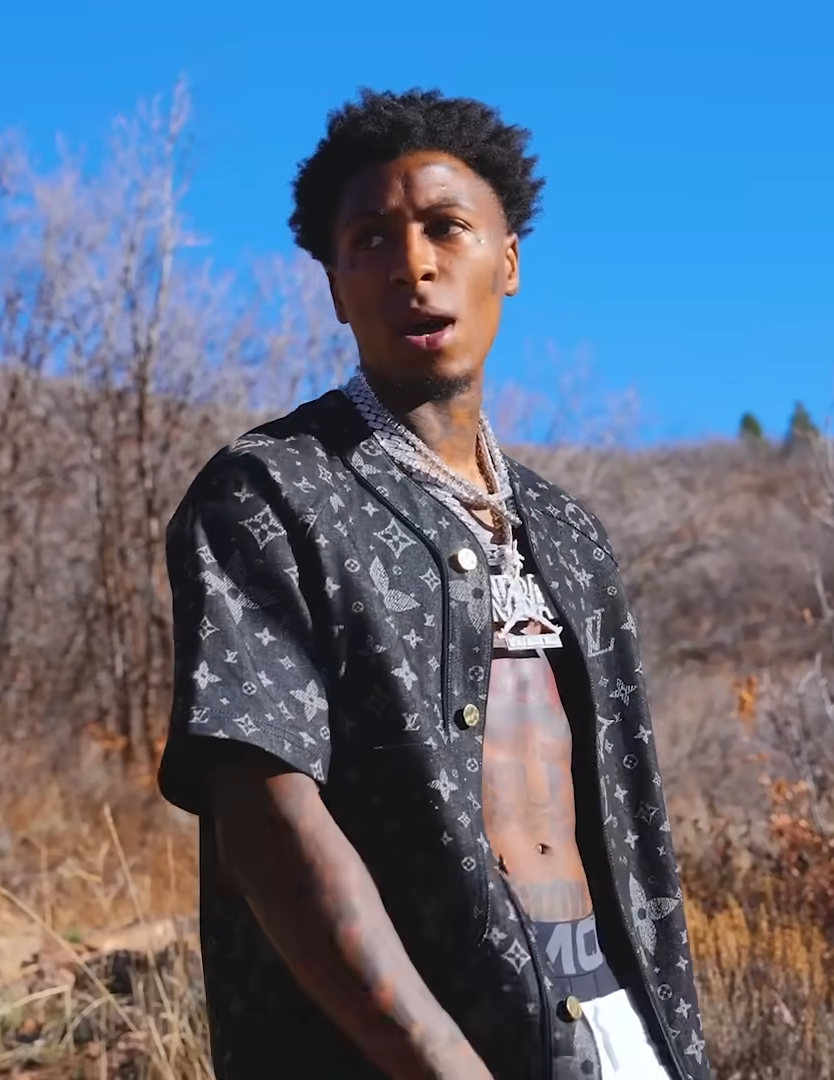
Unpacking the "Youngboy Goes Dark" Phenomenon in Music
Music, in its most profound form, serves as a mirror to the human soul, reflecting our triumphs, our joys, and perhaps most intensely, our struggles. There's a particular allure to music that delves into the deeper, often more melancholic or aggressive corners of human experience—music that is, quite literally, "Darker Than Dark." This genre, or rather, this mood-defining style, captures a spectrum of emotions that resonate with listeners who seek solace or understanding in shared vulnerability. Central to this exploration is the fascinating phenomenon often dubbed "youngboy goes dark"—a shift in an artist's thematic direction, often signifying a maturation, a grappling with personal demons, or a raw expression of their unfiltered reality.
When we talk about a youngboy going dark in music, it's more than just a stylistic change; it's an evolution. It signifies an artist moving beyond initial success or simpler narratives to explore more complex, introspective, or even confrontational themes. This shift often manifests in gritty lyrics, raw vocal delivery, and instrumentals that evoke a sense of unease, melancholy, or defiant aggression. It's about shedding the pretense and embracing a more authentic, albeit challenging, persona. This artistic journey can be incredibly compelling, drawing in listeners who feel unseen or unheard in the mainstream musical landscape.
The Raw Authenticity of Darker Themes
The appeal of music that "goes dark" lies in its authenticity. In an era often criticized for curated perfection, artists who dare to expose their vulnerabilities, their pain, or their anger offer a refreshing and relatable alternative. This raw honesty is a powerful magnet, forging deep connections with audiences who appreciate the unvarnished truth. For many, this isn't just entertainment; it's a form of therapy, a validation of their own complex emotions. Whether it's the gritty narratives of street life, battles with mental health, or the aftermath of broken relationships, these darker themes resonate because they reflect real-world struggles.
Consider artists like NBA Youngboy, who has become synonymous with this raw, often confrontational style. His music frequently explores themes of loyalty, betrayal, violence, and the psychological toll of his environment. This unflinching honesty, while controversial to some, is precisely what draws legions of fans to his work. His personal experiences, sometimes played out in public feuds such as the one referenced in the NBA Youngboy's Kodak Black Feud: Unpacking His Darker Side, often fuel the intensity and perceived authenticity of his sound, solidifying his image as an artist unafraid to expose his darker side.
From Sunlight to Shadow: Artistic Evolution
The transition when a youngboy goes dark is often a significant moment in an artist's career, marking a clear departure from earlier, potentially lighter material. This evolution is rarely arbitrary; it's usually driven by profound personal experiences, societal observations, or a conscious artistic choice to delve deeper into their craft. It can be a response to success, newfound pressures, or a growing awareness of the complexities of life beyond their initial worldview. This journey from "sunlight to shadow" often produces some of an artist's most impactful and enduring work.
This evolution also reflects a broader understanding of the struggles that can lead to a darker worldview. Understanding when a youngboy's world starts to go dark is crucial, not just for the artists themselves, but for society at large. These aren't just arbitrary artistic choices; they often stem from real-life challenges, systemic issues, and personal traumas that profoundly shape an individual's outlook and creative output. Artists who navigate this journey with integrity often become powerful voices for those facing similar adversities, transforming personal pain into universal art.
The Sound of Shadows: What Defines "Darker Than Dark" Music?
So, what exactly constitutes the soundscape when a youngboy goes dark? It's not a single genre, but rather a cross-pollination of elements that together create an atmosphere of introspection, defiance, or desolation. This music often transcends genre boundaries, finding expression in hip-hop, R&B, rock, electronic, and even experimental soundscapes.
Lyrical Depth and Vulnerability
At the heart of "Darker Than Dark" music are its lyrics. These are not typically lighthearted or superficial. Instead, they delve into themes such as:
- Mental Health Struggles: Anxiety, depression, trauma, and the quest for inner peace.
- Existential Questions: Purpose, mortality, the meaning of suffering.
- Social Commentary: Injustice, systemic oppression, the harsh realities of specific environments.
- Personal Betrayal & Heartbreak: The sting of broken trust and lost love.
- Defiance & Resilience: Overcoming adversity, fighting back against critics or circumstances.
The language used is often raw, unpolished, and intensely personal. It might be explicit, confrontational, or deeply poetic, but its common thread is an unwavering commitment to emotional honesty. This vulnerability is not a sign of weakness but a testament to strength—the courage to lay bare one's soul for the world to witness.
Sonic Landscapes of Despair and Defiance
Beyond the words, the instrumentation and production play a crucial role in crafting the mood:
- Minor Keys & Dissonance: Often utilizing somber melodies, melancholic chord progressions, and occasionally unsettling harmonies to create tension.
- Sparse or Atmospheric Production: Giving space for the lyrics and vocals to breathe, often featuring reverb-heavy pads, eerie synthesizers, or minimal yet impactful beats.
- Heavy Basslines & Distorted Sounds: In genres like trap or rock, aggressive bass and distorted instrumentation can convey anger, frustration, or a sense of looming threat.
- Raw Vocal Delivery: From guttural screams to whispered confessions, the vocal performance is often unpolished, reflecting the intensity of the emotions being conveyed. Auto-tune might be used, but often for atmospheric effect rather than perfect pitch correction, adding to the melancholic texture.
- Unconventional Song Structures: Breaking away from traditional verse-chorus formats to allow for more narrative flow or emotional peaks and valleys.
These elements combine to create a sonic experience that is often immersive and sometimes challenging, but always designed to evoke a strong emotional response. It's music that demands your attention and invites you into its world.
Navigating the Darkness: The Listener's Experience and Connection
Why do listeners intentionally gravitate towards music that can be described as "Darker Than Dark"? It might seem counterintuitive to seek out art that mirrors pain or discomfort. However, for many, this music offers a profound sense of connection, understanding, and even catharsis.
Finding Solace in Shared Struggle
When an artist expresses feelings of isolation, despair, or rage, listeners who have experienced similar emotions often find profound solace. It's the comfort of knowing you're not alone in your struggles. This shared experience fosters a powerful bond between artist and audience. This music becomes a soundtrack to their own challenges, providing validation and a sense of belonging in a world that can often feel isolating. It's not about wallowing in sadness, but about acknowledging it, processing it, and ultimately, moving through it with the help of a resonant soundtrack.
Using Music for Mood Regulation
Engaging with "Darker Than Dark" music can also be a form of mood regulation. Sometimes, the best way to deal with intense negative emotions is not to suppress them but to acknowledge and confront them. Listening to music that articulates these feelings can help listeners to:
- Process Emotions: Articulating feelings they might not be able to express themselves.
- Find Validation: Knowing their experiences are understood and normalized.
- Gain Perspective: Seeing how others navigate similar struggles can offer new insights.
- Experience Catharsis: A release of emotional tension through the music's intensity.
Whether you're going through a tough time, reflecting on past experiences, or simply appreciating the depth of human emotion, this genre provides a space for genuine connection and emotional exploration. It's a reminder that even in the darkest corners of human experience, there is always art to guide us, reflect us, and ultimately, help us understand ourselves better.
In conclusion, the journey when a youngboy goes dark in music is a rich and complex one, both for the artist and the audience. It's a testament to the power of music to convey raw emotion, explore challenging themes, and create deep, meaningful connections. "Darker Than Dark" music is more than just a style; it's a vital artery in the heart of contemporary culture, offering authenticity, catharsis, and a powerful mirror to the human condition. It reminds us that even in the shadows, there is profound beauty and understanding to be found.